
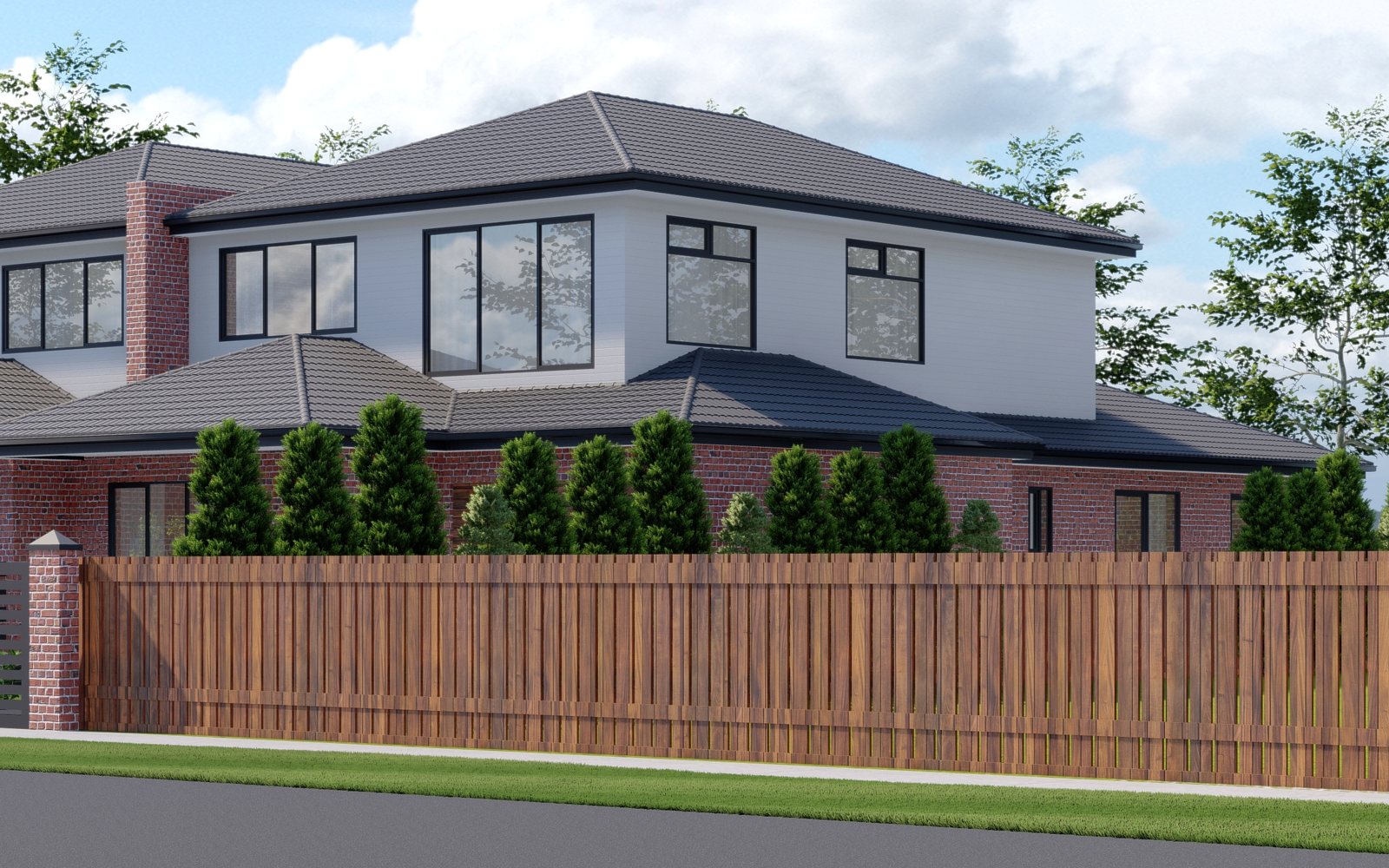
Working Drawings Melbourne
Detailed floor plan, electrical plan, slab set-out, elevations, site plan and every other drawing your building permit requires.
Complete drafting services in Melbourne — working drawings, town planning permits, building permits, extension plans, townhouse and unit development, granny flats and knockdown rebuilds. Coordinated end to end, so you have one number to call.
Detailed floor plan, electrical plan, slab set-out, elevations, site plan and every other drawing your building permit requires.
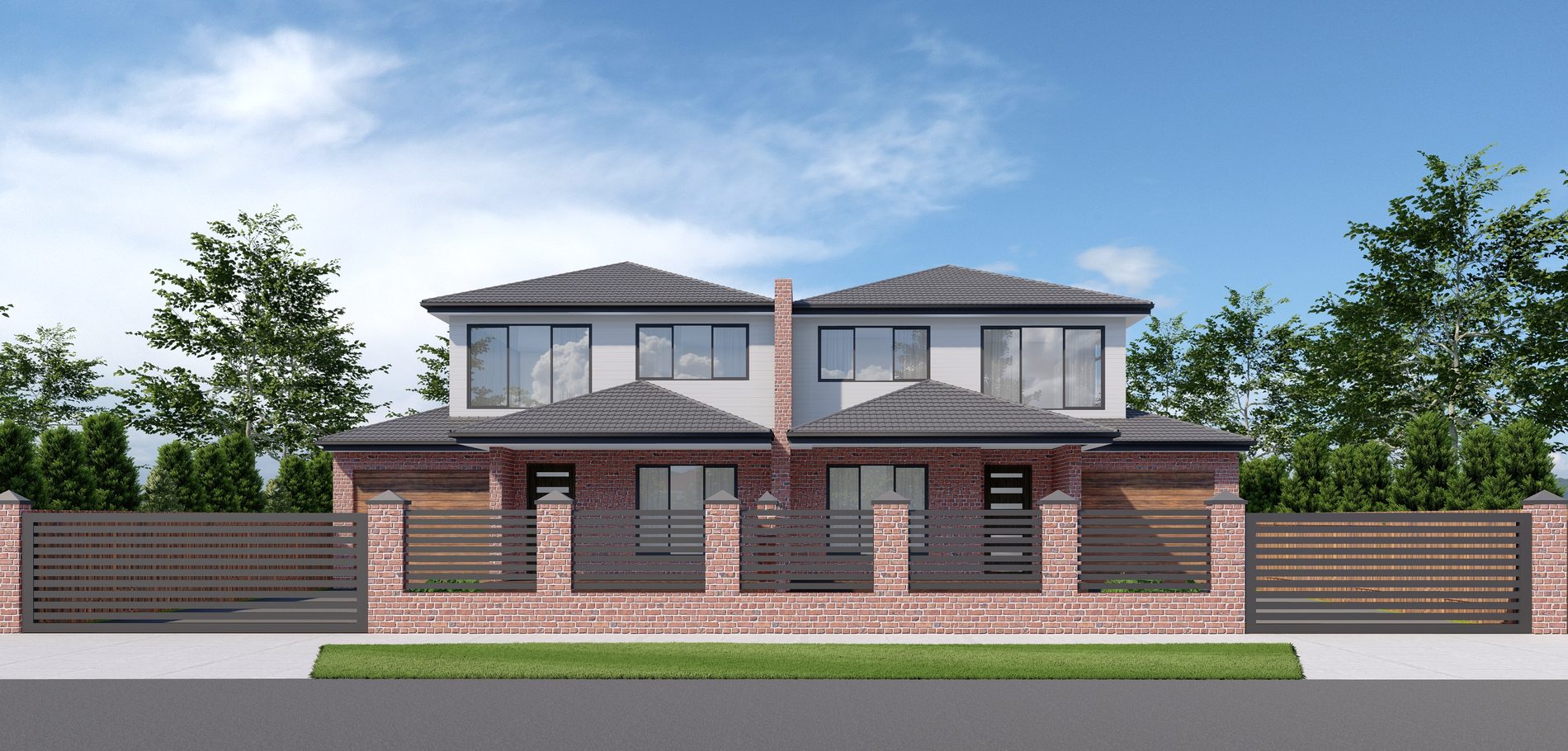
Floor plans, elevations, neighbourhood and shadow diagrams, and all documentation required for a planning permit in Melbourne.
View more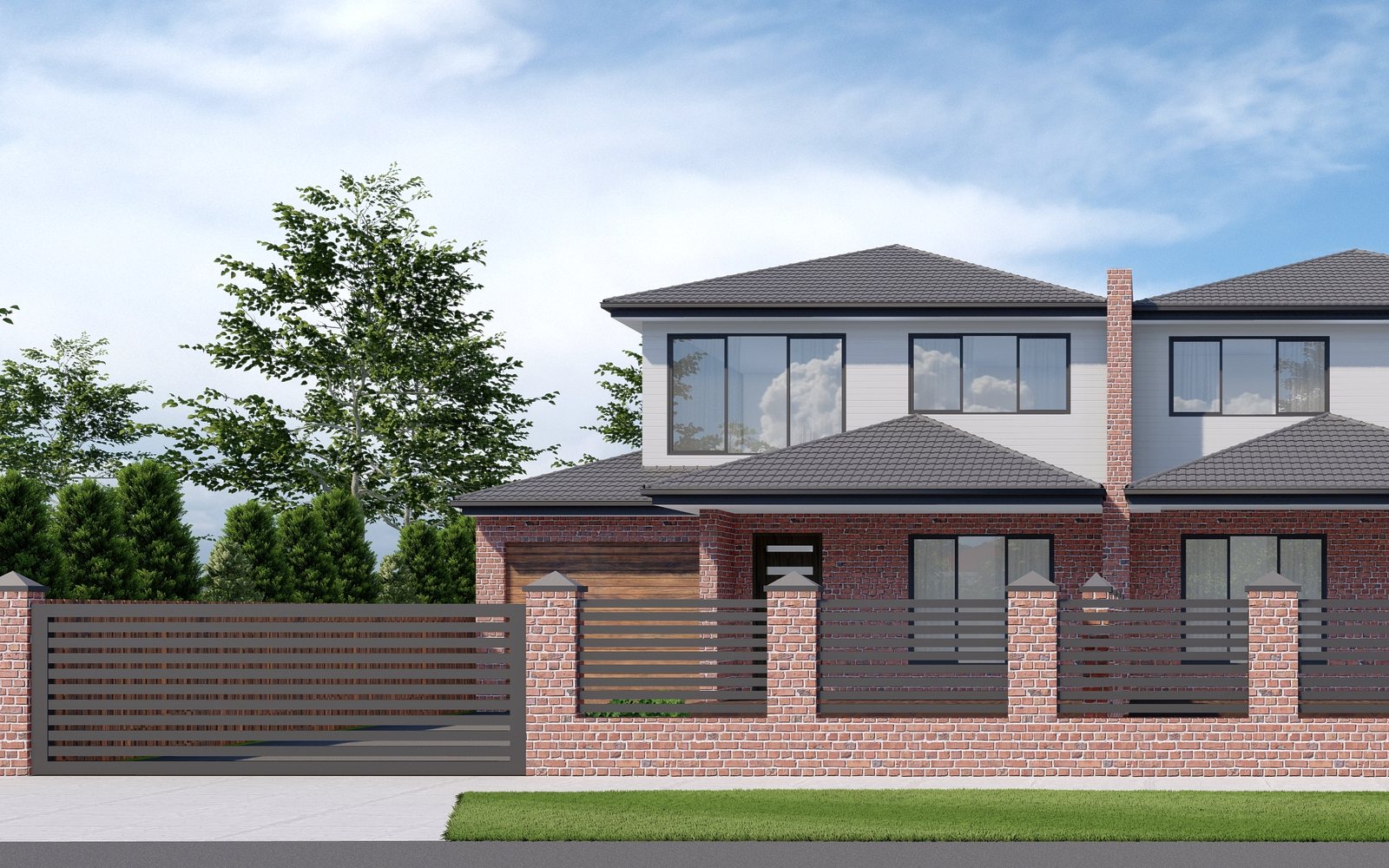
We also manage the application for your building permit with our registered building surveyors, start to finish.
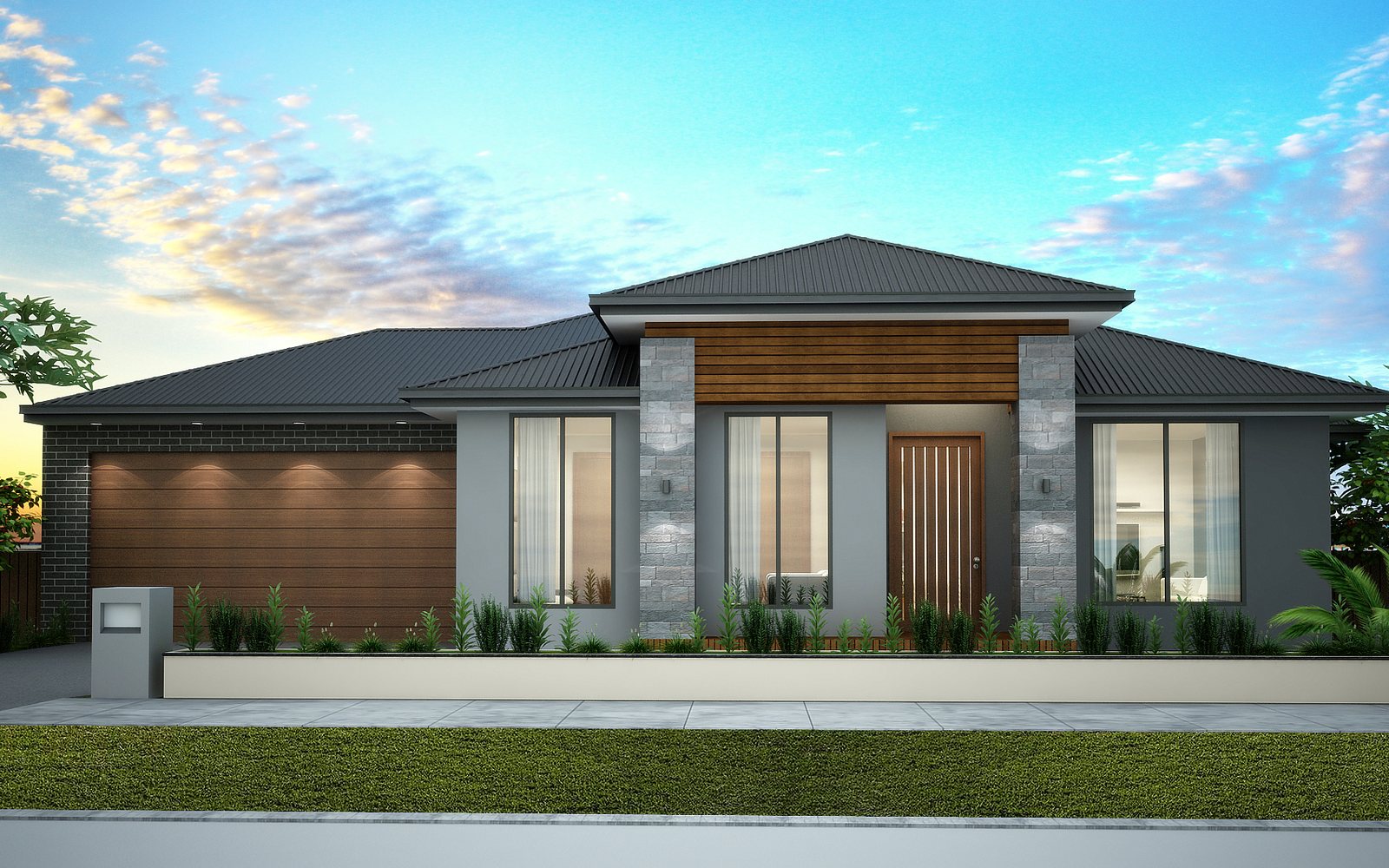
Transforming your vision into reality — expert new home designs for a perfectly tailored living experience.
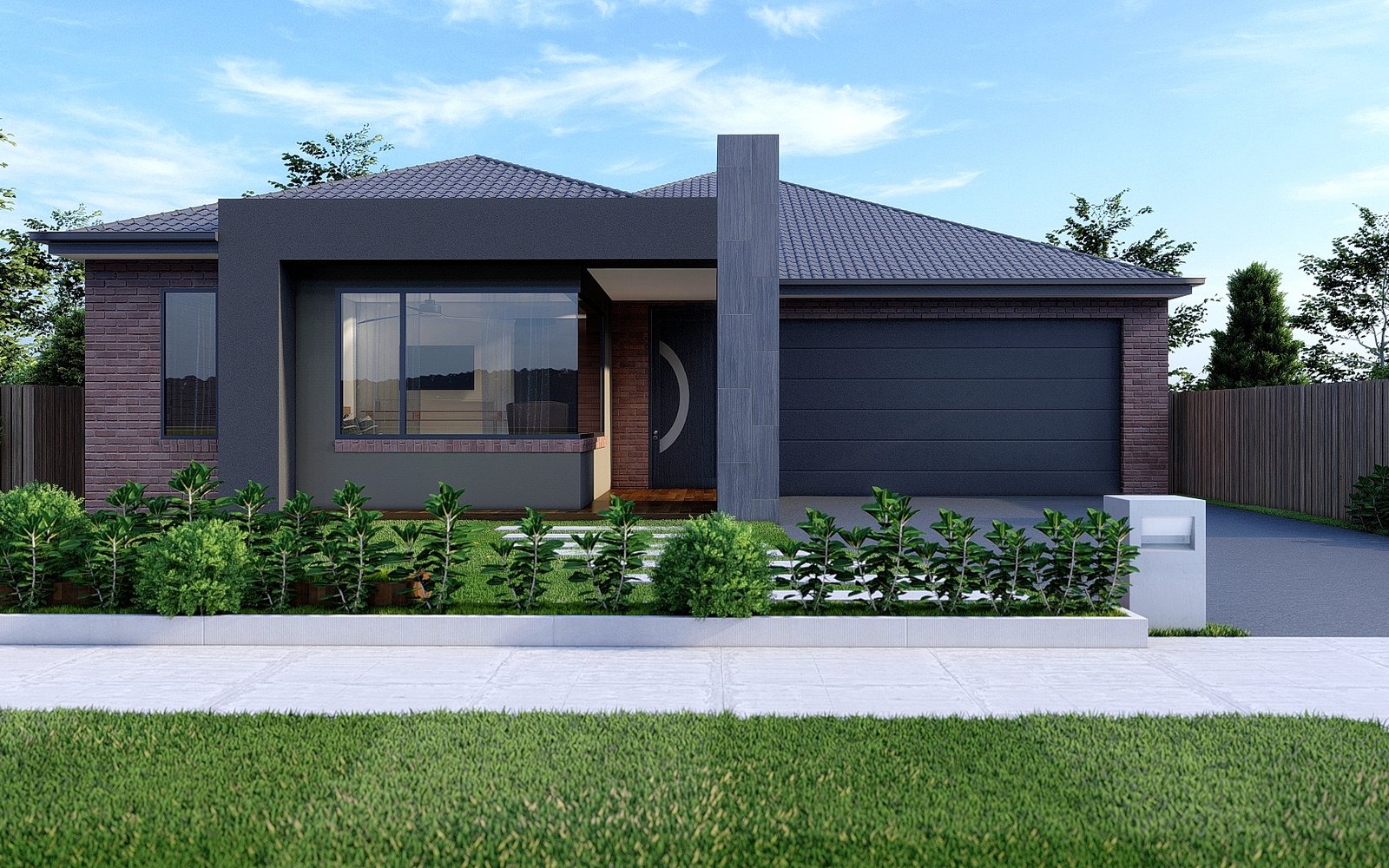
Extension plans for ground floor additions, second storeys and full renovations — from a house extension designer who documents the join properly.
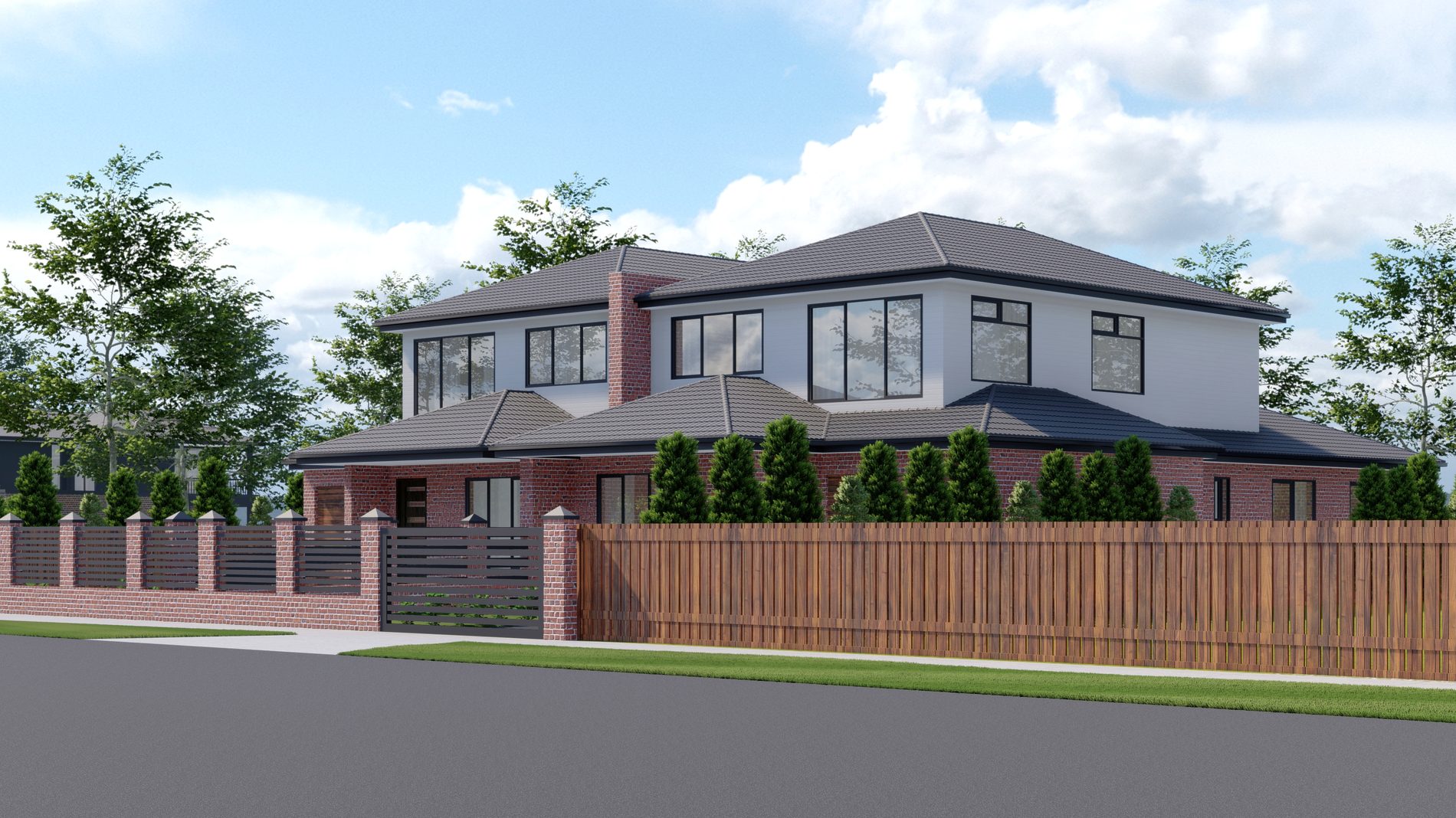
Townhouse development and unit development across Melbourne — optimised for yield, livability and council approval.
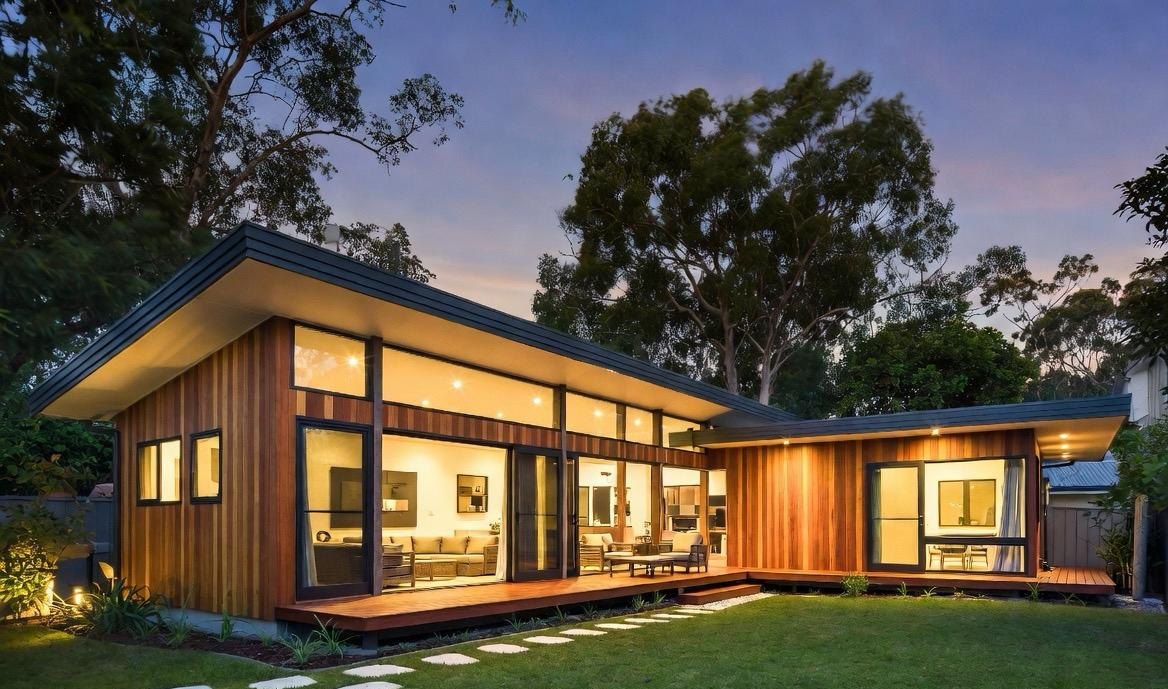
Dependent person's units and small second dwellings, designed to fit garden area rules and get through council cleanly.
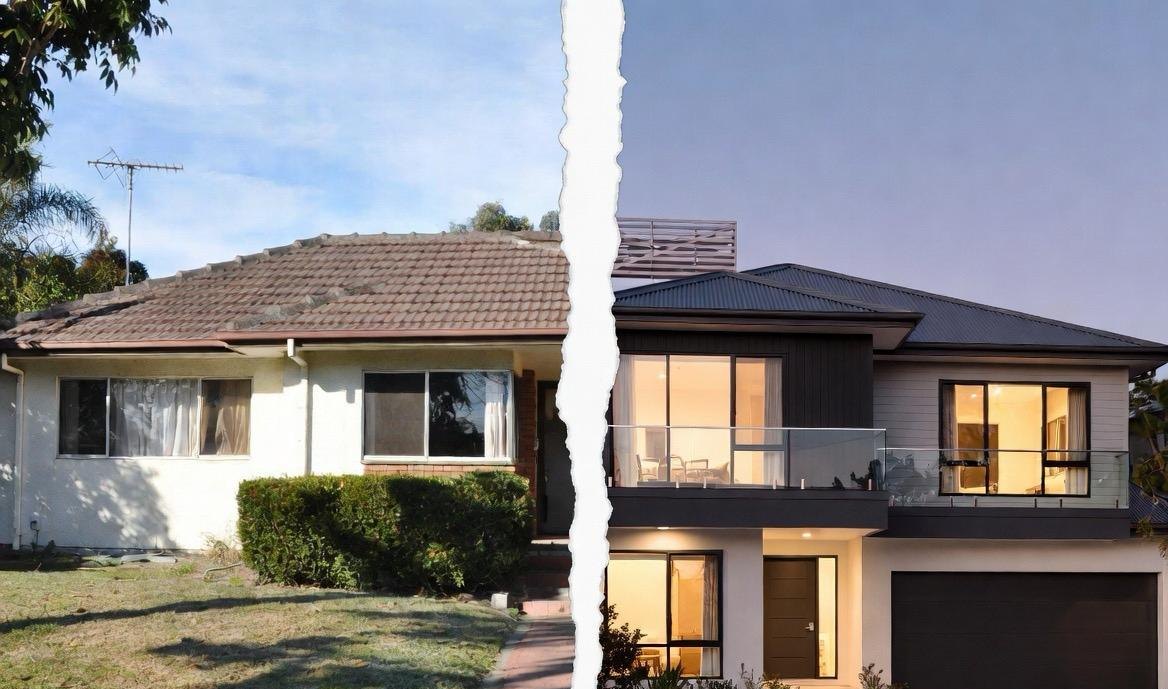
Demolition, permits and a new home designed for the block you already own — usually better value than buying again.
Navigating the complexities of dual occupancy in Melbourne requires a precise approach tailored to local regulations and site-specific challenges. Our dual occupancy planning services focus on getting the most out of your property while making sure it meets all council requirements. We provide clear, strategic advice that balances design efficiency with functional living spaces, helping you unlock the full value of your land.
Our team has extensive experience preparing thorough development applications across every step — from initial feasibility through to final approvals. We put the focus on detail and take a practical approach to zoning laws, setbacks and infrastructure needs, so we can smooth the path for your project.
We also assist in optimising layouts that enhance privacy and natural light, which are essential for successful dual occupancy outcomes. Our solutions emphasise livability and market appeal, giving you confidence that your investment is well planned and sustainable.
Draft Wing's commitment is to deliver smart, tailored planning that aligns with your goals and local standards. By focusing on thoughtful design and regulatory clarity, we ensure your dual occupancy project progresses efficiently with minimal setbacks.
Draft Wing — transforming potential into well-planned property success, with trusted expertise and local insight.
Book a feasibility chatLeave your details and we'll call you back. Or skip the form — (03) 9070 4747.
Working drawings are the construction documentation behind every building permit in Victoria. Get them right and your builder prices accurately, your surveyor signs off, and site questions stop landing in your inbox at 7am.
Most people come to us knowing they need "plans". What they actually need is a working drawing set — the technical package that translates a design into something a builder can measure, order materials from, and construct without guessing. At Draft Wing we've been preparing working drawings in Melbourne for more than fifteen years, and the difference between a good set and a rushed one shows up as real money at tender.
A residential working drawing set from our Tullamarine studio typically includes:
Anyone with CAD software can draw a floor plan. The value of a registered building designer is in the coordination: making sure the structural engineer's beam sits where the architectural section says it does, that the energy report's glazing schedule matches the window schedule, and that the soil report's classification matches the footing design. When those documents disagree, the building surveyor stops the permit and everyone waits.
A good working drawing set answers a builder's questions before they ask them. If you're fielding a stream of requests for information during construction, the documentation was incomplete — and every one of those questions is a variation waiting to happen.
We start from your title and plan of subdivision, plus a feature and level survey if the site has any fall or existing structures worth recording. If you don't have a survey, we'll arrange one. From there we prepare the set, issue it to you for review, coordinate the consultants, and lodge with a registered building surveyor. You get one point of contact through the whole thing.
Because we also handle town planning drawings and building permit applications in-house, there's no translation loss between stages. The planning set and the construction set come from the same studio, so what council approved is what gets built.
New homes, extensions and renovations, townhouses, dual occupancy developments, multi unit developments and commercial fit-outs. We work with owner-builders, volume builders, custom builders and developers across metropolitan Melbourne.
Send us your address and a short brief and we'll come back with a fixed fee for the drawing set.
Get a free quoteYou cannot legally start most construction in Victoria without a building permit. We prepare the documentation, coordinate the consultants and manage the application with our registered building surveyors — so it isn't your job to chase it.
A building permit confirms that what you intend to build complies with the National Construction Code and the Building Act 1993. It's issued by a registered building surveyor, not by council, and it's a separate approval from a town planning permit. Plenty of projects need both.
Miss one of these and the application sits. We assemble the whole package before lodgement, which is the single biggest thing you can do to get a permit issued quickly.
Older titles frequently carry restrictive covenants — single dwelling covenants, material restrictions, minimum build costs. A building surveyor cannot issue a permit that breaches one. We read the title early so this surfaces at the start of a project rather than at the end.
If you're acting as an owner-builder you'll need a Certificate of Consent from the Victorian Building Authority before the permit can issue. We'll flag this early and tell you what's involved.
Draft Wing are registered building practitioners. We prepare the architectural documentation, engage and coordinate the structural engineer, energy assessor, soil tester and land surveyor, then lodge with a registered building surveyor and manage the assessment through to issue. You get one number to call and one party accountable for the documentation.
We also handle the sequence properly: if planning is required, that goes first, and the building permit documentation is prepared to match the endorsed planning drawings. Getting this order wrong is a common and expensive mistake.
New homes, extensions and renovations, decks and garages, townhouses, dual occupancy, multi unit developments, commercial and industrial buildings, and change-of-use projects across Melbourne.
Tell us where you're up to and we'll map out exactly what's still needed for your permit.
Talk to usA volume builder sells you a plan and looks for a block that fits it. A building designer starts with your block, your orientation and your budget, and draws something that belongs there.
Draft Wing designs new homes across Melbourne for owners who want something specific — a difficult site, an unusual brief, a family that doesn't live the way a display home assumes. We're registered building designers, which means we can take a project from first sketch through planning and building permits to a full construction set.
The cheapest improvement available to any new home is putting living areas where the northern light is. It costs nothing at concept stage and pays back every winter in heating you don't buy and every summer in cooling you don't need. Getting it wrong is close to impossible to fix later.
So we start with the site: which way it faces, where the fall is, what the neighbours overshadow, where the trees are, what the street expects. Only then do we start arranging rooms.
We ask about budget early, and we mean it. A design that can't be built at the number you have isn't a design, it's an expensive drawing. Being honest about cost at concept stage lets us make the trade-offs deliberately — simpler roof form to fund better glazing, a smaller footprint with higher ceilings, staging the landscaping.
A copy of title and plan of subdivision, the address, your rough budget, and how you actually live — how many people, how you cook, whether you work from home, what you hated about your last house.
We'd rather design a house that performs than design a house and then buy compliance with extra insulation. Orientation, cross-ventilation, eaves and glazing ratios do most of the work. Sustainable materials and energy-efficient systems do the rest.
Bought a block, or thinking about one? We'll tell you honestly what it can carry.
Start a projectThe hardest part of an extension isn't the new part. It's the join — where old meets new, where the floor level changes, where the roof has to make a decision.
As a house extension designer working across Melbourne, Draft Wing documents extensions, renovations and alterations, from a single room at the back to a full second storey. Existing buildings are less forgiving than empty blocks, and the work rewards attention to detail.
Older Melbourne houses are rarely square, rarely level, and rarely built the way their original plans suggest. We measure the existing building properly before designing anything. Assumptions here become variations on site, and variations on site are the most expensive way to buy a decision.
Often not, for a single-storey extension on a standard lot. But heritage overlays, neighbourhood character overlays, second storeys and anything affecting setbacks or overshadowing can trigger one. We check the title and planning scheme before quoting.
Adding a level is a structural question first and a design question second. Existing footings and walls may not be able to carry the load, and finding that out late is costly. We coordinate the structural engineer early so the design and the structure develop together rather than one being retrofitted to the other.
Overshadowing and overlooking also come into play — your neighbours' northern light and privacy are protected by the planning scheme, and a design that ignores that won't be approved.
Existing conditions documentation, concept design and options, town planning drawings and permit management where required, coordinated engineering and energy reports, building permit management with a registered building surveyor, and a full working drawing set for your builder.
Send us photos and the address and we'll tell you what's realistic.
Get a free quoteAnyone can draw four units on a block. The skill is drawing four units that a council will approve, a builder can construct, and a buyer will want to live in — at the same time.
Draft Wing provides end-to-end townhouse development and unit development services across Melbourne, from initial feasibility through to engaging external contractors, councils and building surveyors. Townhouses, dual occupancy, unit developments and subdivisions are a large part of what we do every week.
Before any design work, we look at the numbers that actually govern yield:
We'd rather tell you in week one that a block carries three units and not four than draw four and watch the application fail.
An application that squeezes through on minimum compliance often produces units that are hard to sell or lease. Privacy between dwellings, northern light into living areas, storage that actually works, a driveway that doesn't dominate the streetscape — these are what make a development perform commercially, and they're also what a planner responds well to.
Two dwellings on one lot is the most common development we document. The variables that decide it are frontage, setbacks, private open space and garden area. Get those four right and the rest follows.
Multi unit projects involve a crowd: structural and civil engineers, land surveyors, arborists, traffic and waste consultants, energy assessors, stormwater and SDA reporting, landscape designers, and a registered building surveyor. We engage and coordinate them so you're not managing a dozen relationships and reconciling their drawings yourself.
We also prepare plans of subdivision and coordinate with surveyors and council so titles issue without avoidable delay. Getting the subdivision thinking into the design early — rather than treating it as an afterthought — usually saves both time and money.
Send us the address and a copy of title. We'll come back with a realistic yield and a fixed fee.
Request a feasibilityA granny flat is the cheapest way to add a dwelling to land you already own. It is also the project where Melbourne's garden area and private open space rules bite hardest — which is why so many of them stall.
"Granny flat" isn't a planning term. In Victoria what people usually mean is either a dependent person's unit — a movable building for an immediate family member, which has its own narrow rules — or a genuine second dwelling, which is assessed as a dual occupancy. The two are treated very differently by council, and picking the wrong path is the single most common reason these projects go sideways.
Draft Wing designs and documents both from our Tullamarine studio, across every metropolitan Melbourne council.
If your intent is rental income or long-term flexibility, the second-dwelling path is almost always the right one even though it costs more up front. We'd rather have that conversation before drawing than after a refusal.
Small second dwellings live or die on four measurements, and none of them is the size of the granny flat itself:
A single dwelling covenant blocks a second dwelling outright, regardless of how well it's designed. It has to be removed or varied first — a separate legal process. We read the title before quoting so this surfaces in week one.
The failure mode of a small dwelling is a dark box facing a fence. In 50 to 70 square metres, orientation and ceiling height do more for livability than floor area — north-facing living, a high window where the boundary is close, storage built in rather than added later, and a private outdoor space that isn't just the leftover strip beside the driveway.
Feasibility against your title, zone and overlays; concept design and options; town planning drawings and permit management where a planning permit is required; coordinated structural engineering, soil report and energy rating; building permit lodgement with a registered building surveyor; and a full working drawing set for your builder.
Send us your address and a copy of title and we'll tell you which path your site suits.
Get a free quoteYou like the suburb, the school zone and the neighbours. You just don't like the house. A knockdown rebuild keeps everything that made you buy the block and replaces the part that isn't working.
For a lot of Melbourne families, rebuilding on land they already own beats buying again once stamp duty, agent fees and the price gap are counted. It also means the new house can be designed around your block's orientation and your actual life, rather than inherited from whoever built there in 1968.
Draft Wing handles the whole sequence — demolition permit, planning permit if required, new home design, building permit and construction documentation.
Demolition needs its own building permit, and under Section 29A of the Building Act council gets a say on whether the building should be demolished at all. In heritage or character areas that report is not a formality — start it early.
You are starting with an empty block and complete knowledge of it: you know where the sun falls, which neighbour overlooks what, where the wind comes from, which corner is always wet. Almost nobody buying off a plan has that. Use it — put the living areas north, put the garage where it buffers the western sun, and place windows to miss the neighbour's upstairs window rather than stare into it.
This is where a new home designer earns their fee against a volume builder's catalogue plan, which was drawn for a generic lot and will be dropped onto yours whichever way it faces.
A knockdown rebuild budget has more moving parts than a new build on vacant land: demolition and asbestos removal, service disconnection and reconnection, site clearing, and rent somewhere else while it's happening. We factor those in at feasibility rather than letting them appear at tender.
Site and title feasibility, demolition permit documentation, concept design for the new home, town planning where required, coordinated engineering and energy reports, building permit management with a registered building surveyor, and full working drawings.
Thinking about rebuilding rather than moving? Send us the address and we'll tell you what the block will carry.
Start a project